English

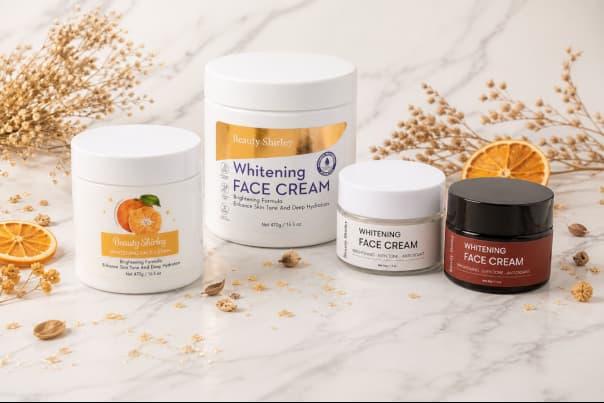
How to Evaluate a Whitening Cream Formula: A Complete B2B Guide When a buyer asks about a whitening cream, one of the first things we look at is how many brightening mechanisms the formula actually covers. A product name can include "Vitamin C" or "Niacinamide" without explaining how those actives work together, whether the Vitamin C form is stable, or whether the formula addresses pigmentation at more than one point in the melanin production cycle. Those details matter more than the ingredient list alone. A useful formula discussion starts with the skin concern being addressed, not with the ingredient name on the label. Understand the Brightening Mechanism First Not all brightening actives do the same thing. Niacinamide reduces the transfer of melanin from melanocytes to keratinocytes — it addresses pigmentation after it has been produced. Alpha-Arbutin works earlier in the process by inhibiting tyrosinase activity, reducing how much melanin is synthesized in the first place. A stable Vitamin C ester such as 3-O-Ethyl Ascorbic Acid adds antioxidant support and a complementary inhibition pathway. When these actives are combined in a well-structured Alpha-Arbutin Niacinamide brightening cream, they address pigmentation at multiple stages rather than one. That changes what the product can credibly claim and how it performs over time. If you are comparing formulas with similar ingredient names, the useful question is not which active appears first on the list, but which mechanisms are actually covered and whether the concentrations support the intended claims. Match the Formula to Your Target Market's Regulatory Environment The same brightening active can have different regulatory status across markets. Hydroquinone, for example, is restricted or banned as a cosmetic ingredient in the EU, UK, and many ASEAN markets. Kojic Acid has concentration limits in certain jurisdictions. Before selecting a formula for international distribution, it is worth confirming that every active in the formula is compliant with the specific regulations of your destination market — not just generally accepted in skincare. As a whitening face cream OEM manufacturer with efficacy validation capabilities, we can support formula selection against the regulatory requirements of your target markets and provide the ingredient documentation needed for import compliance and retail buyer submissions. Consider the Packaging Format in Relation to the Formula A whitening cream formula that contains a Vitamin C ester has specific stability requirements. Vitamin C actives can degrade when exposed to light, air, and heat. A clear glass jar and an opaque white jar create different stability conditions for the same formula over its shelf life. The 50ml glass jar format suits boutique retail and premium positioning; the 470g or 750g opaque white jar suits professional in-clinic or economy bulk distribution. Each format implies a different storage environment and a different expected use period for the product. If the pack format is still open when the formula discussion begins, it is more efficient to settle the product, channel, and distribution context first. The packaging choice follows more logically once those are clear. Decide What Claims the Product Needs to Support A private label skin brightening wholesale product intended for EU distribution may need different claim substantiation than the same product positioned for Southeast Asian retail. Some markets accept cosmetic brightening claims based on the recognized action of listed ingredients. Others require efficacy test data — human use studies, in-vitro results, or clinical assessments — before specific before-and-after or percentage-improvement claims can be made. Our efficacy validation system supports international market claims registration and testing documentation where required. Before artwork is finalized and claims are set on the label, it is worth identifying exactly which claims are intended, which market they are going into, and what substantiation will be needed. Settling that before production avoids label revisions and delays after samples are approved. Start the Formula Conversation with What You Already Know You do not need every detail finalized before beginning the discussion. Share the target skin concern, the distribution channel, the destination market, and any packaging references you already have. If the formula route is still open, we can review stock formulas and adjusted or custom development options together. If a formula is already selected, we can focus the discussion on regulatory alignment, efficacy documentation, and packaging. If you have a product brief, formula references, or target market in mind, send them to us. We can start with what is already decided and work through what remains open.
Read More
leave a message
If you are interested in our products and want to know more details, please leave a message here...